Sand mason worms as an ally for a stronger coast


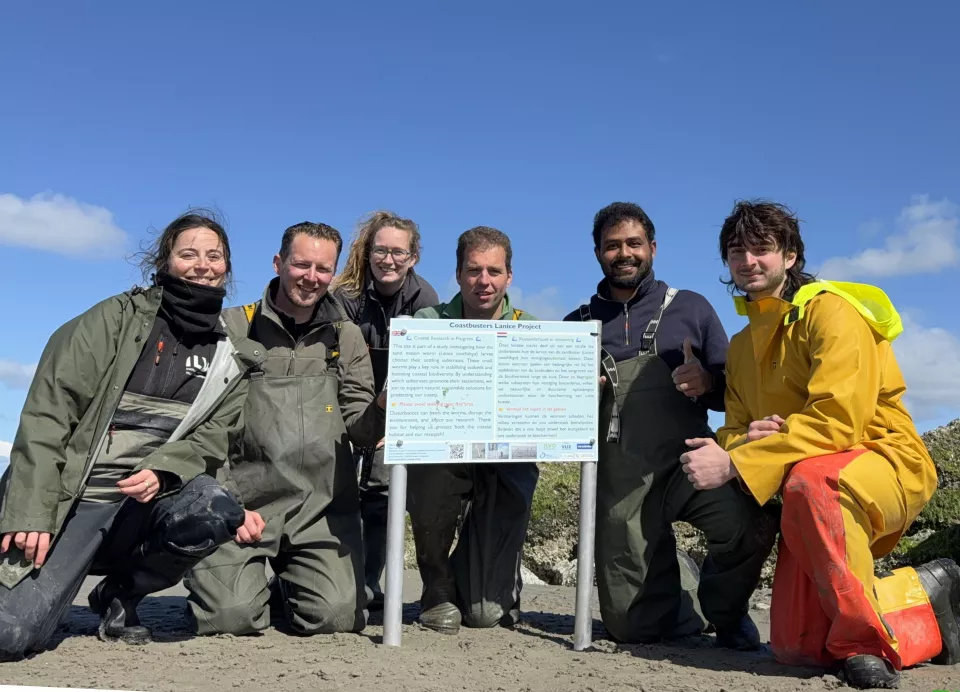
Coastal protection still largely relies on measures such as dykes, breakwaters and beach nourishment. At the same time, attention is growing for more natural solutions. The project Coastbusters LANICE explores how the sand mason worm (Lanice conchilega) can play a role.
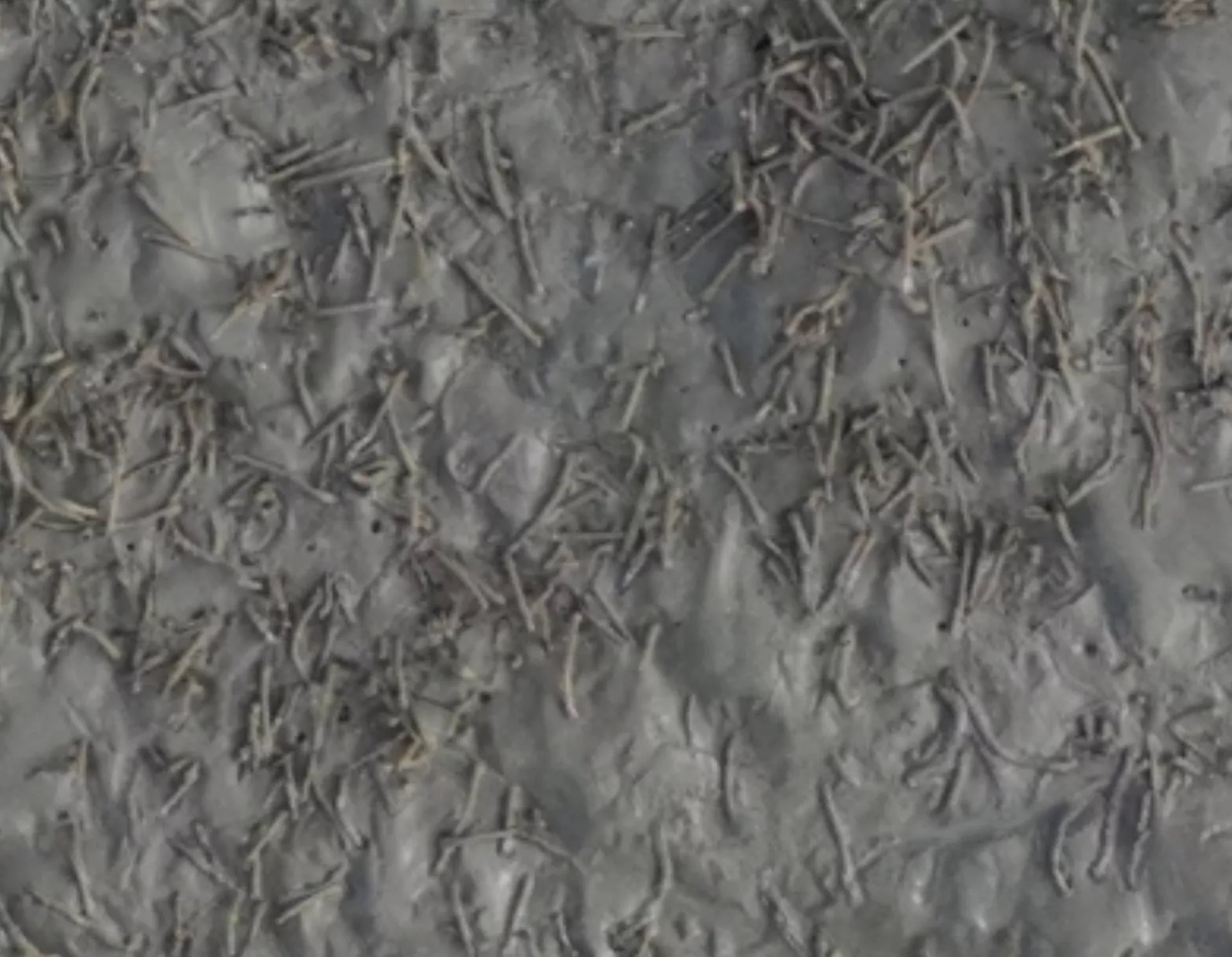
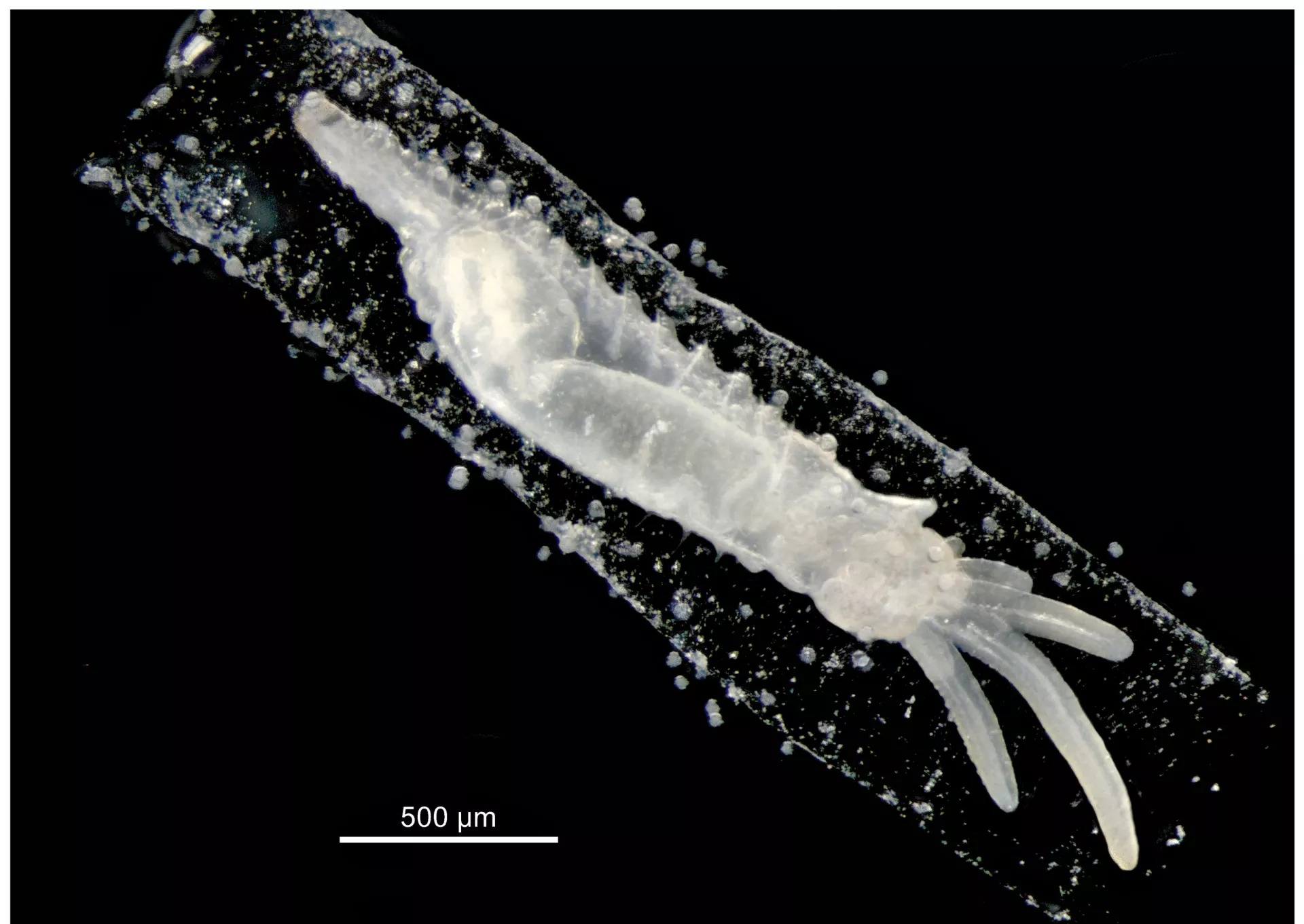
This worm naturally occurs along the Belgian coast and builds tubes from sand and mucus that protrude a few centimetres above the seabed. When large numbers of sand mason worms occur together, they help to retain sand and can contribute to the stability of the coastal system.
Attracting larvae to the right spot
Researchers are investigating whether new populations of sand mason worms can develop in locations where additional sand retention is desirable. Because adult worms do not move, the research focuses on larvae, which are present in large numbers in the North Sea.
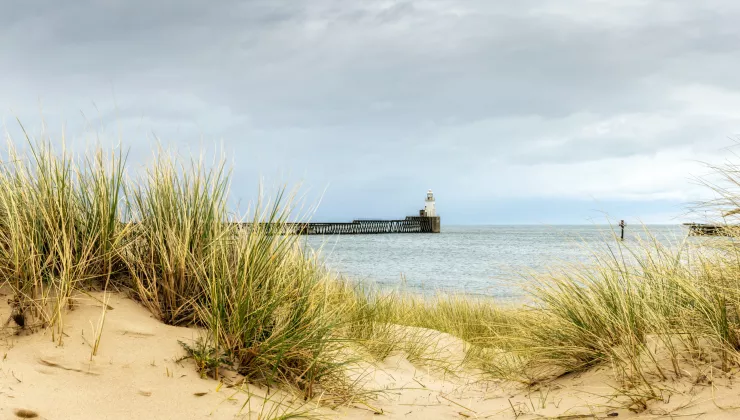
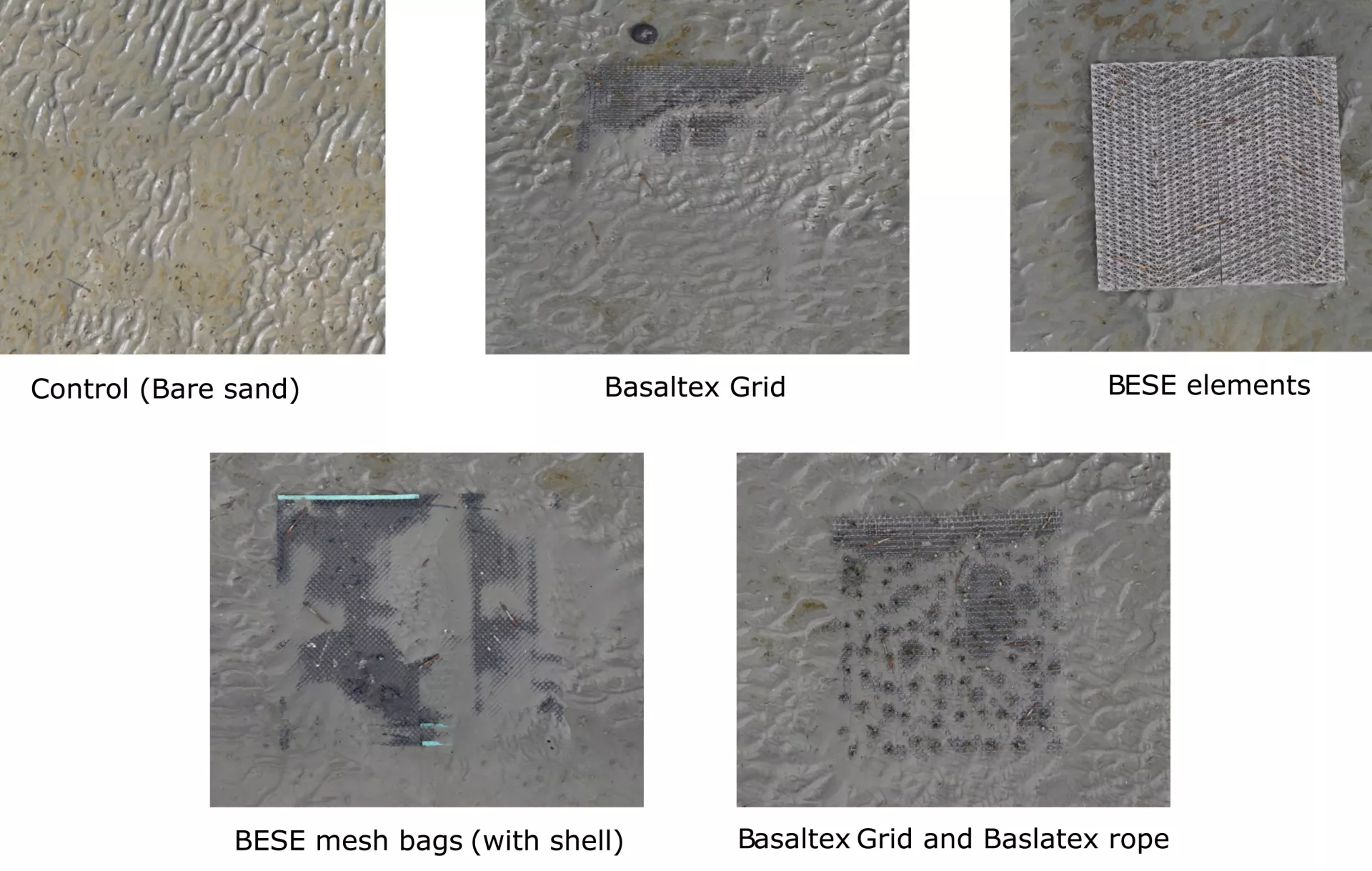
Within the project, various biodegradable structures were developed to encourage the settlement of these larvae. These were tested at three locations along the Belgian coast: Raversijde, Lombardsijde and Heist.

First results are promising
The interim results show that certain structures do indeed attract more larvae than the surrounding natural sandy seabed. In particular, thicker mats with a rough surface and a medium mesh size seem to create favourable conditions for settlement.
The best results were achieved in more sheltered locations such as Heist. Colonisation was also observed at the other test sites, which, according to the researchers, offers encouraging prospects for further development.
Moreover, the potential benefits extend beyond coastal protection alone. Worm reefs not only help to retain sand but also create a habitat for other marine species. As such, they can contribute to both a more resilient coastline and greater biodiversity.

Towards a roadmap
The field trials have now been completed and the collected data are being further analysed. Based on this, the partners aim to develop an initial roadmap for the potential use of sand mason worms in coastal management.
If the positive results are confirmed, follow-up research could take the next step towards larger-scale pilot setups and practical applications along the Belgian coast.
All pictures © ILVO
About Coastbusters LANICE
Coastbusters brings together research into nature-based solutions for coastal protection. Across its various projects, the focus is on the role of marine species that can strengthen natural processes and thus contribute to a more resilient coastline.
Coastbusters LANICE specifically focuses on the sand mason worm (Lanice conchilega). The four-year research project is carried out by ILVO, VLIZ and KU Leuven, with financial support from VLAIO. The project is facilitated by Blue Cluster.