Key takeaways from the PSEW Conference


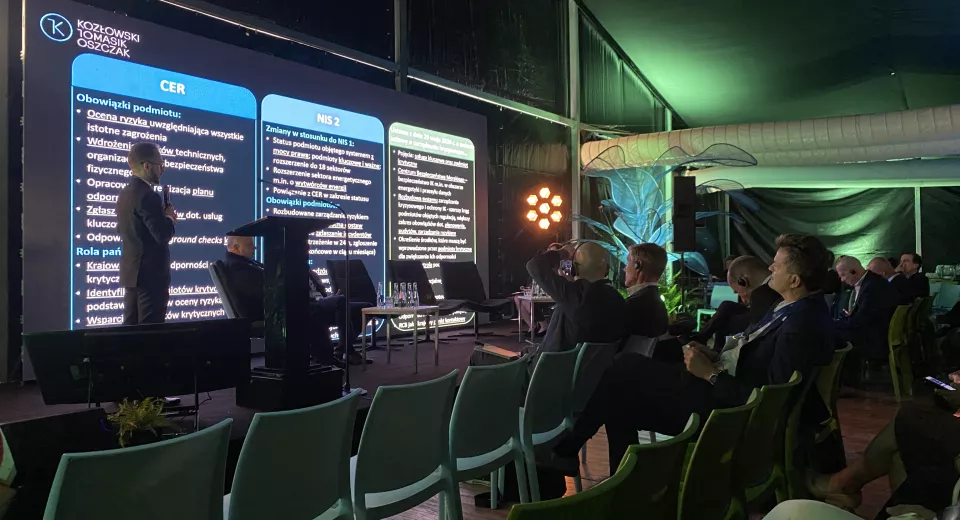
During the PSEW conference, which took place from June 8 through 10 in Swinoujscie, Polish Energy Minister Milos Motyka emphasized Poland’s commitment to reducing its dependence on fossil fuels by focusing on wind energy. Projects totaling 5.9 GW have already been launched. To meet the target of 18 GW of offshore wind energy by 2040, new tenders are now being planned. In 2025 and 2027, 4 GW will be added each year, and in 2028 and 2029, projects totaling 2 GW each year are scheduled to begin.
Setting up a local supply chain
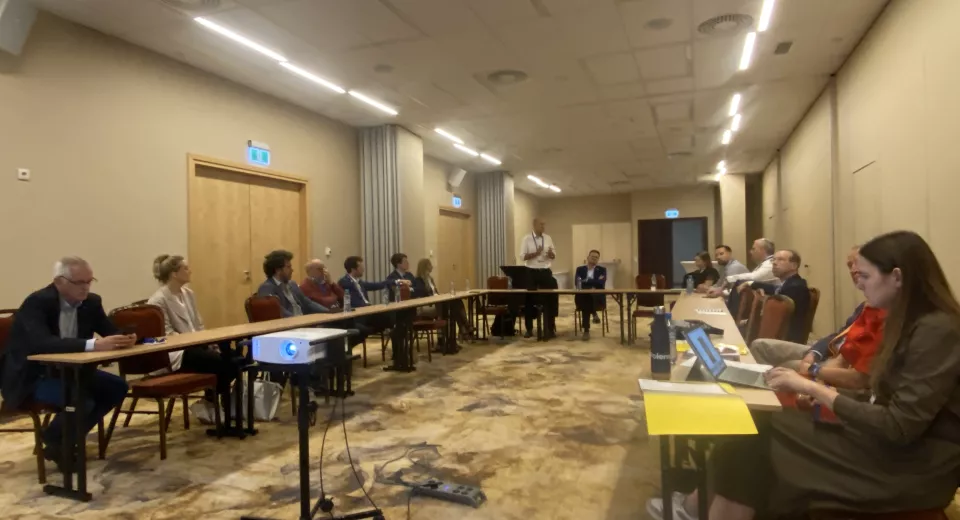
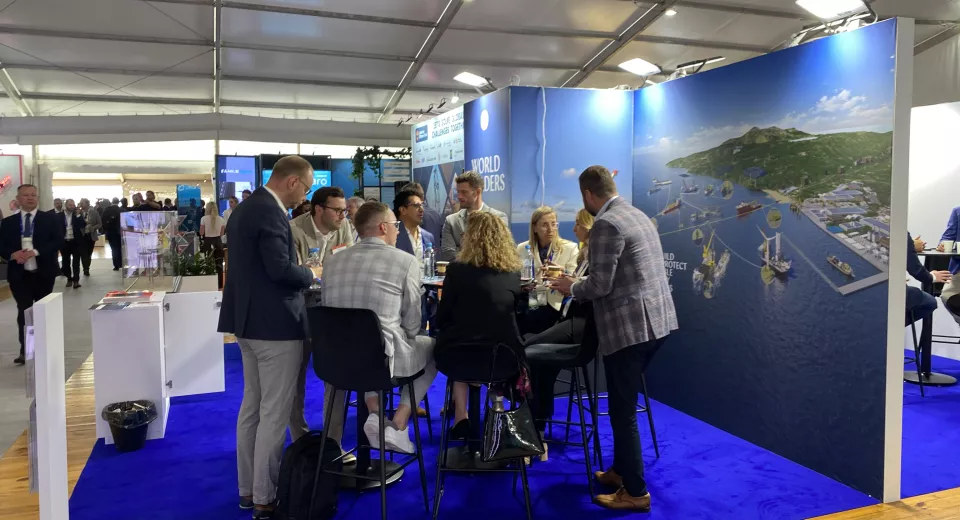
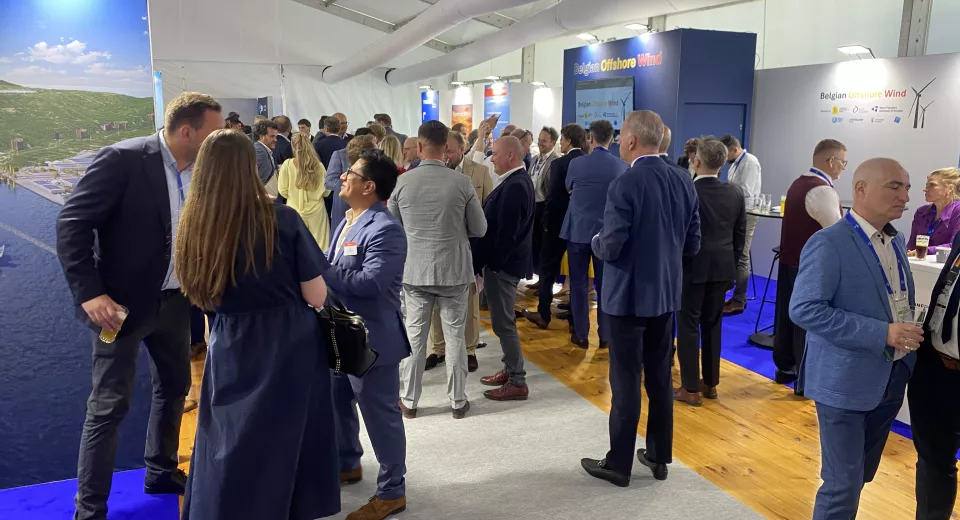
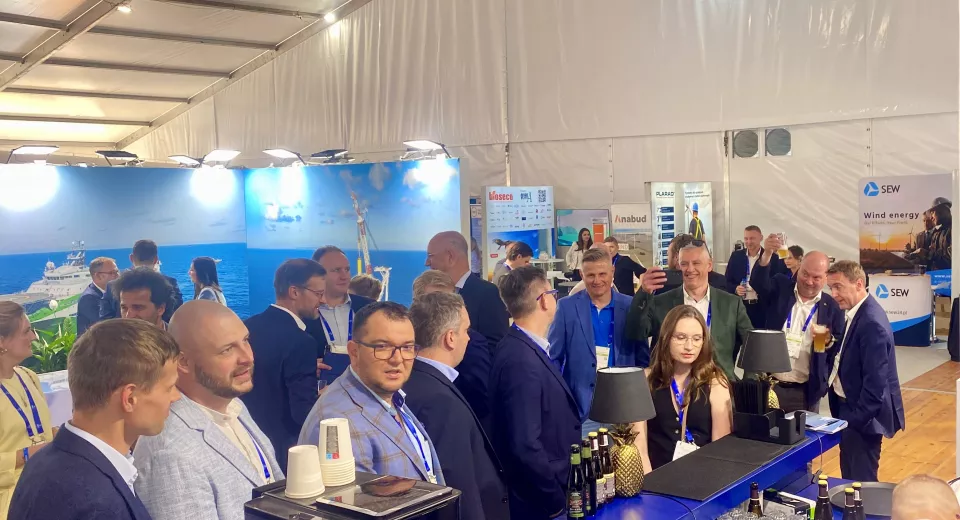
During the PSEW conference, many Belgian offshore players presented themselves as reliable partners in this endeavor. The Belgian Beer Night at the group booth, featuring 12 companies, proved to be an excellent promotional event in that regard. In addition, several group discussions were organized with Polish offshore wind developers. These revealed that the Polish government is posing a few potential hurdles. For example, projects in the second phase have seven years to become operational. In practical terms, this means no installation work is expected before 2031. Anyone who had hoped for a smooth transition between the work in phases one and two will therefore be disappointed. Furthermore, Poland intends to focus on a local supply chain - partly to boost employment, and partly because energy is increasingly viewed as a strategic tool for economic resilience and geopolitical stability. As a result, 40% of projects in the second phase must be carried out with local partners (this threshold may be raised even higher in the future). These partnerships could be structured as follows:
- Polish owner: 25%
- Company pays taxes in Poland: 15%
- More than 50% of employees pay taxes and social security contributions in Poland: 15%
- Office and operations in Poland for more than 3 years: 10%
- More than 50% of annual revenue generated in Poland: 10%
Its appeal endures
Discussions are underway between the Belgian offshore sector (with support from the Belgian Embassy in Warsaw and the FIT) to determine whether these rules can be adjusted in the interest of both parties and how they can best implement them. Nevertheless, cost, quality, and reliability remain the most important evaluation criteria, which means Belgian companies can certainly offer an attractive proposal.