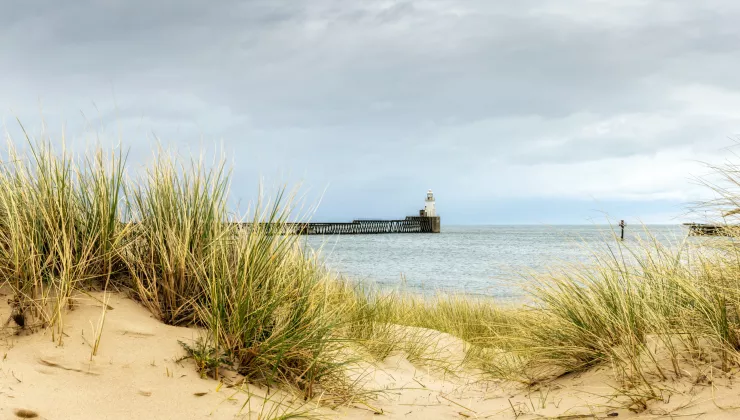
Mussel Shaker
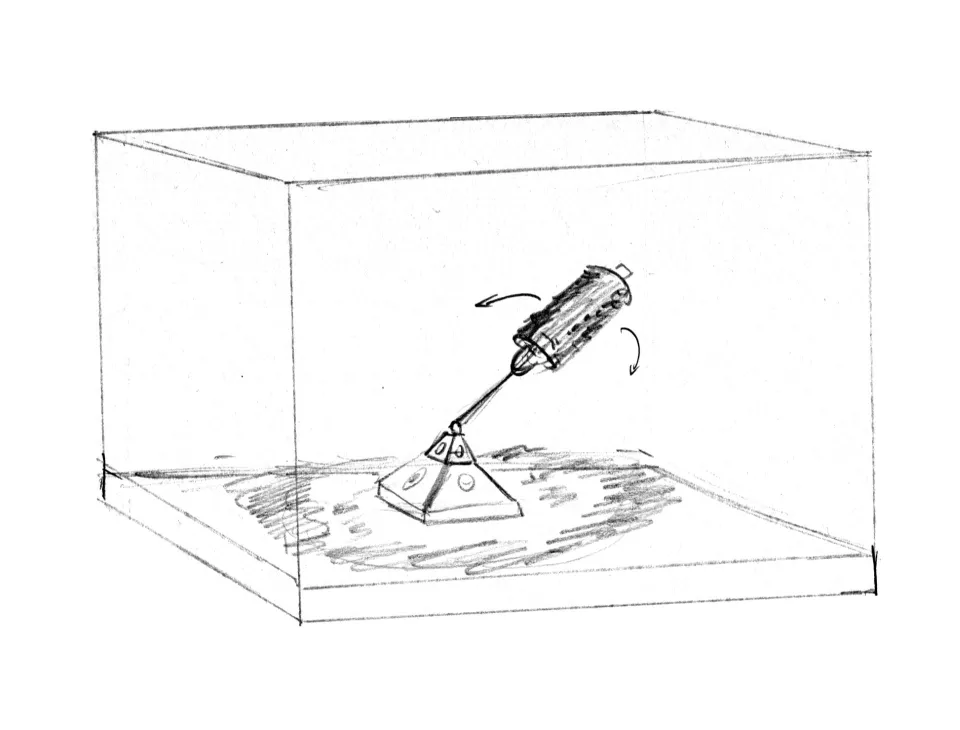
The Mussel Shaker is an innovative underwater structure designed to stimulate the natural development of mussel reefs. Mussel larvae can temporarily attach to the structure and subsequently settle naturally on the seabed. This process leads to the formation of a biogenic reef that contributes to a more resilient coastal ecosystem.
Within this Coastbusters project, the focus lies on the further technical and ecological refinement of this innovative concept. The research examines how design, material choice and placement can be optimised, enabling the Mussel Shaker to be applied both nearshore and offshore within nature-based approaches to coastal management.
Objectives
The project investigates how the functioning of the Mussel Shaker can be optimised in a complex and dynamic marine environment. The following questions are central:
- How can mussel larvae be efficiently attracted and sustainably established on the seabed?
- What role do design and material choice play in stability, survival and reef development?
- What is the effect of the setup on currents, sedimentation and seabed structure?
- To what extent do the formed mussel reefs contribute to biodiversity and coastal protection?
To address these questions, the project combines modelling, materials research and testing under real-world conditions. Long-term performance is also taken into account: the Mussel Shaker must be able to continue functioning and evolve with its environment, without requiring active removal.
Follow-up and impact
The results of this project are expected to provide clarity on the practical applicability and scalability of the Mussel Shaker for future coastal management. The knowledge gained can be applied in nature-based designs for marine infrastructure and coastal defence, in Belgium and beyond.
By focusing on natural reef formation, the project contributes to a broader transition towards coastal protection solutions that work with nature. The Mussel Shaker project thus strengthens knowledge on nature-based solutions and supports the development of resilient coastal ecosystems in a changing climate.