Tackling marine plastic pollution from space


Images of marine animals entangled in plastic or trash piling up on pearly-white beaches have already made their way around the world. A 2023 estimate put the number of plastic pieces floating in our oceans worldwide at 170 trillion. Solutions, however, are less obvious due to the diversity in shape, size, color, type, and density of plastics. In other words, there is no “holy grail” that would allow us to detect all the plastic waste in our waters using a single technology.
Combinatie detectietechnologie
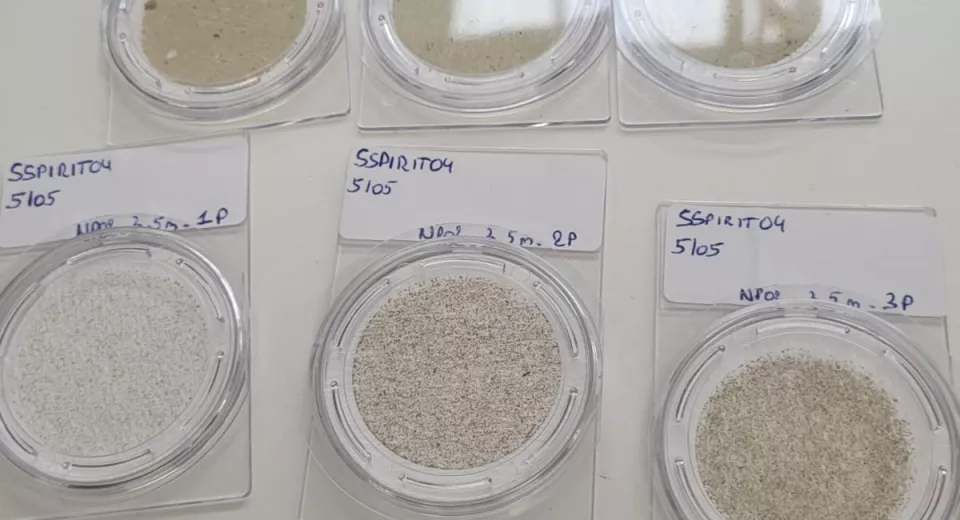
The SSPIRIT project (From Seabed to SPace: Identifying and quantifying plastic litteR with Innovative remote sensing Technologies) aims to change this by combining various detection technologies (drone-mounted cameras, underwater acoustics, and satellite imagery) with smart algorithms into a cost-effective, innovative solution. The goal is to identify problematic accumulation areas for targeted intervention and cleanup.
SSPIRIT brings together research institutions and companies from the Flemish space sector. They will test innovative technology in the North Sea and in the Scheldt estuary. The insights gained from the project will support policymakers, environmental organizations, and local governments in taking targeted measures. In addition, SSPIRIT strengthens Flemish expertise in Earth observation and contributes to a more sustainable future for our waterways and living environment.
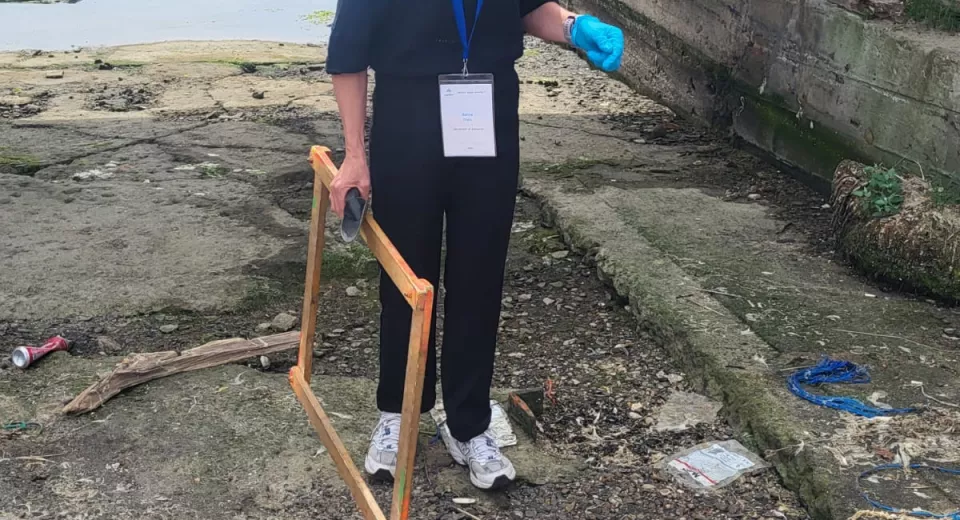
During the third Industrial Advisory Board meeting a few weeks ago, the project partners demonstrated several of these innovative technologies in real-life settings.